Understanding Natural Nutrition
Explore how everyday foods provide essential vitamins and minerals. This educational resource explains the natural composition of whole foods and their role in everyday nutrition.
Educational content only. No promises of outcomes.
Explore Content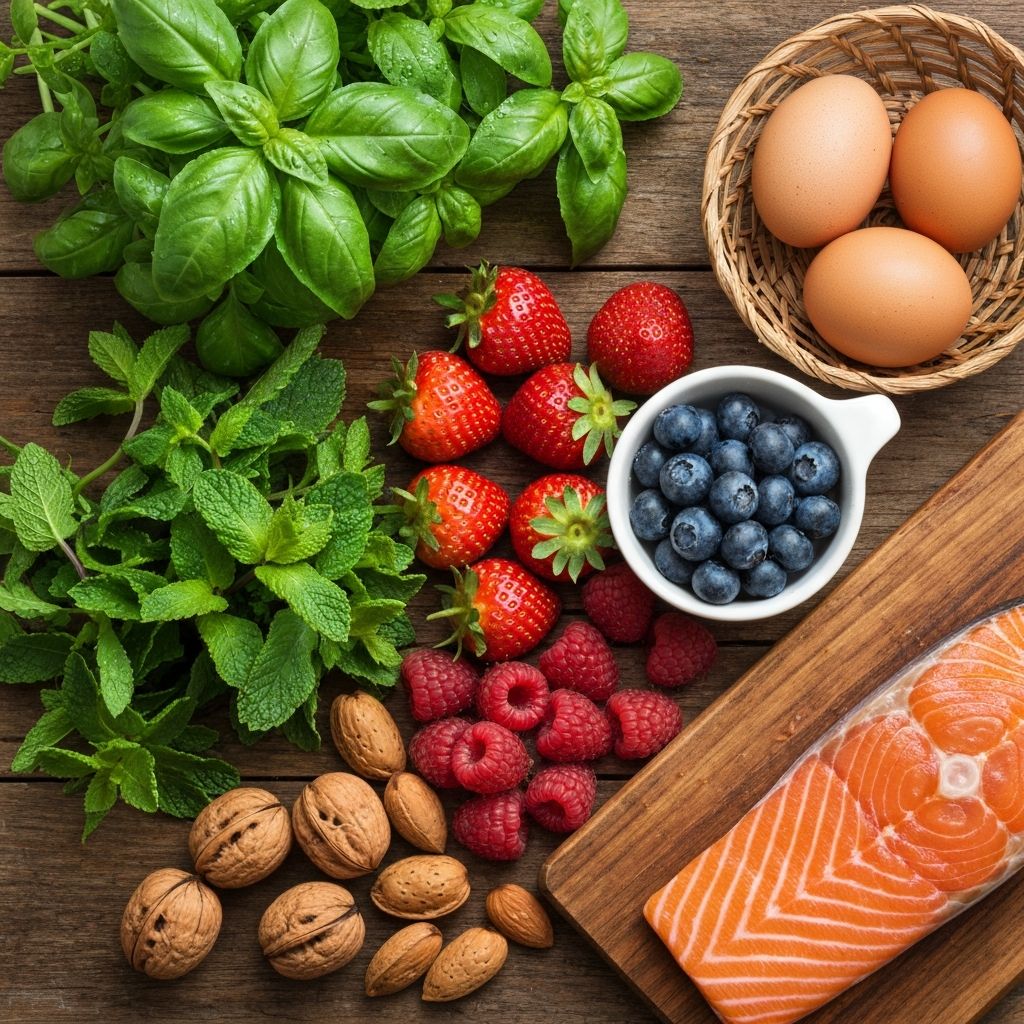
Basics of Natural Nutrient Sources
Understanding where our nutrients come from in whole, unprocessed foods forms the foundation of nutritional knowledge.
What Are Natural Nutrient Sources?
Natural nutrient sources are foods in their unprocessed or minimally processed state that contain vitamins, minerals, and other beneficial compounds. These foods have evolved over centuries as staples in traditional diets across different regions and cultures.
Research confirms that whole foods contain complex combinations of nutrients that work together in synergistic ways. Understanding these natural sources helps in comprehending how nutrition functions in everyday life.
Why Unprocessed Foods Matter
Whole foods retain their complete nutritional profile, including fiber, phytonutrients, and minerals that are often lost during processing. The natural structure of these foods allows our bodies to access and absorb nutrients more effectively.
Traditional diets across Europe and other regions emphasize the consumption of fresh, locally-sourced whole foods. This approach reflects centuries of accumulated knowledge about the importance of nutritional diversity.
Vitamins in Unprocessed Foods
Natural foods provide a complete spectrum of vitamins essential for various biological functions.
Vitamin Diversity in Whole Foods
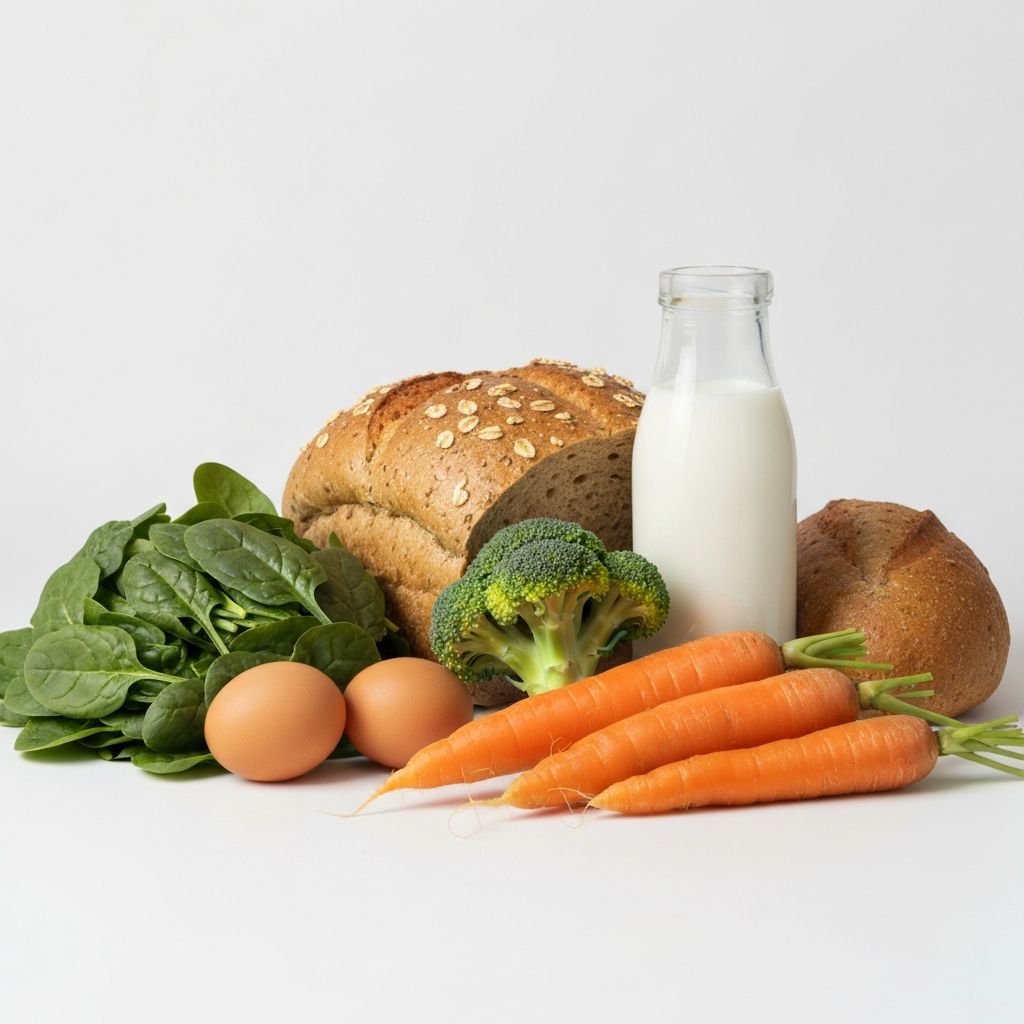
Different foods provide different vitamins. Leafy greens contain K and folate. Orange-colored vegetables provide beta-carotene. Whole grains supply B vitamins. Fatty fish contains D and omega-3 fatty acids.
Rather than viewing nutrition through isolated vitamins, understanding how foods combine to provide nutritional completeness reflects modern nutritional science. European traditional diets demonstrate this principle through seasonal eating patterns and food combinations.
The mineral content in foods—such as magnesium in seeds, iron in legumes, and zinc in shellfish—demonstrates the complexity of natural nutrition that extends far beyond single nutrients.
Discover moreProducts – Fresh Herbs and Greens
Fresh culinary herbs represent concentrated sources of bioactive compounds found in traditional European cuisine.
Basil
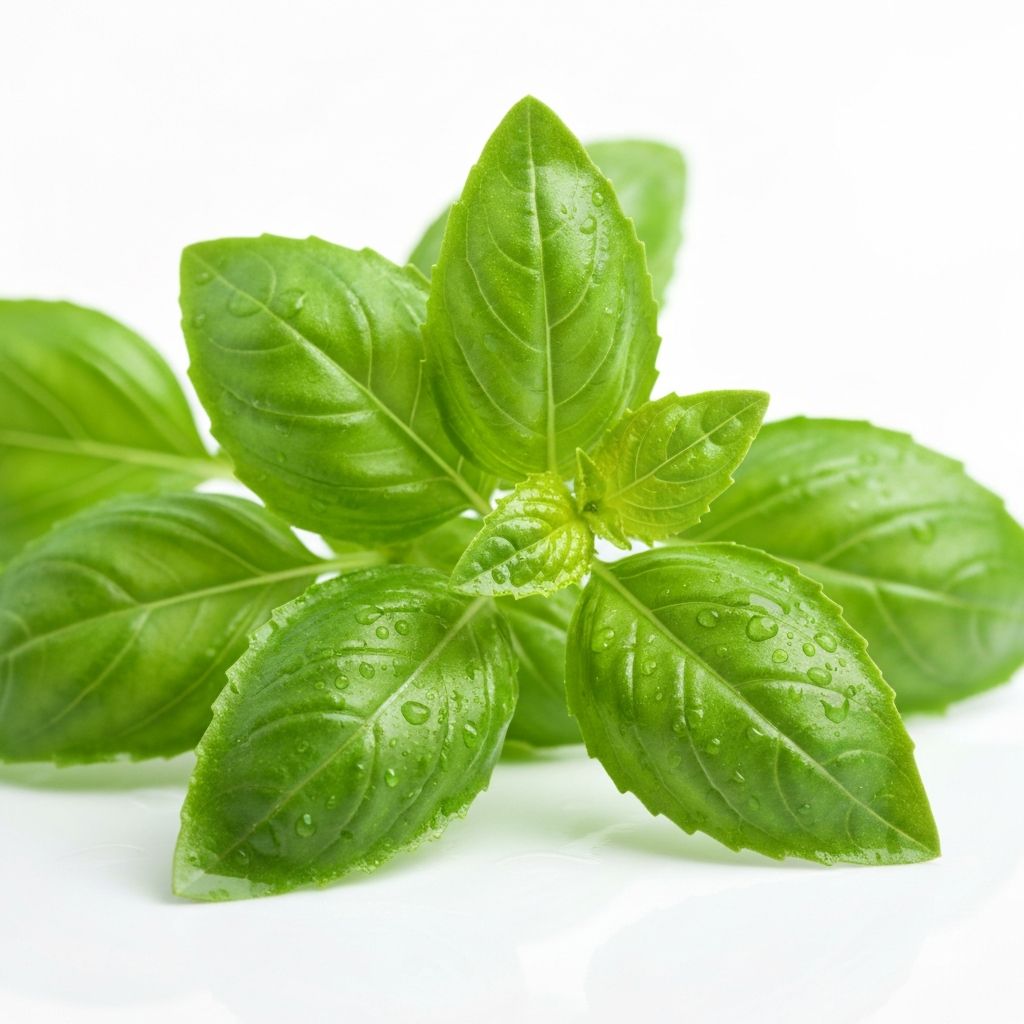
Fresh basil contains volatile oils and compounds including eugenol and linalool. As a culinary herb, basil has been used across Mediterranean and European cooking traditions for centuries. The herb contains natural compounds that contribute to its characteristic aroma and flavor profile.
Composition: Essential oils, polyphenols, vitamin K, manganese.
Mint
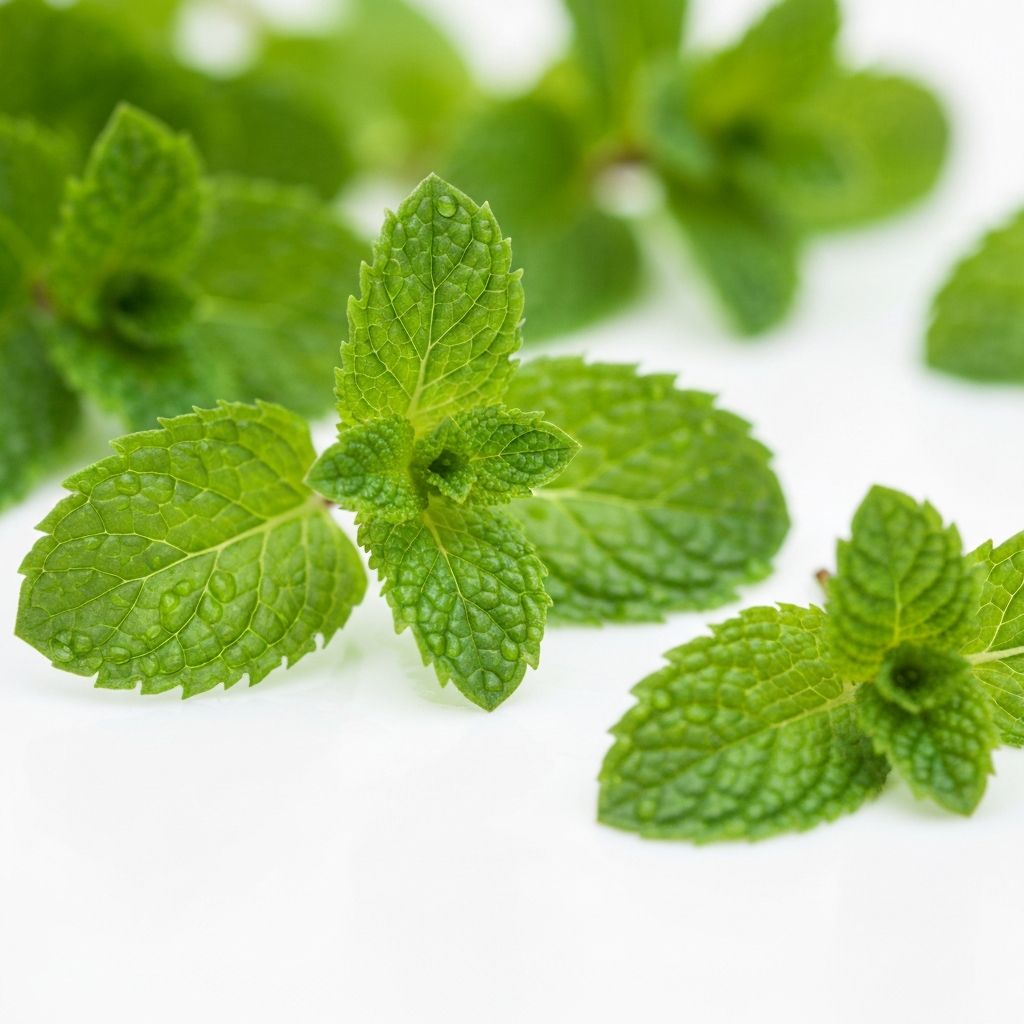
Mint contains menthol and other terpenes that define its distinctive flavor. This herb appears in cuisines worldwide, from Mediterranean to Central European traditions. The composition includes naturally occurring compounds that mint plants produce for their survival and growth.
Composition: Menthol, essential oils, antioxidants, vitamin C.
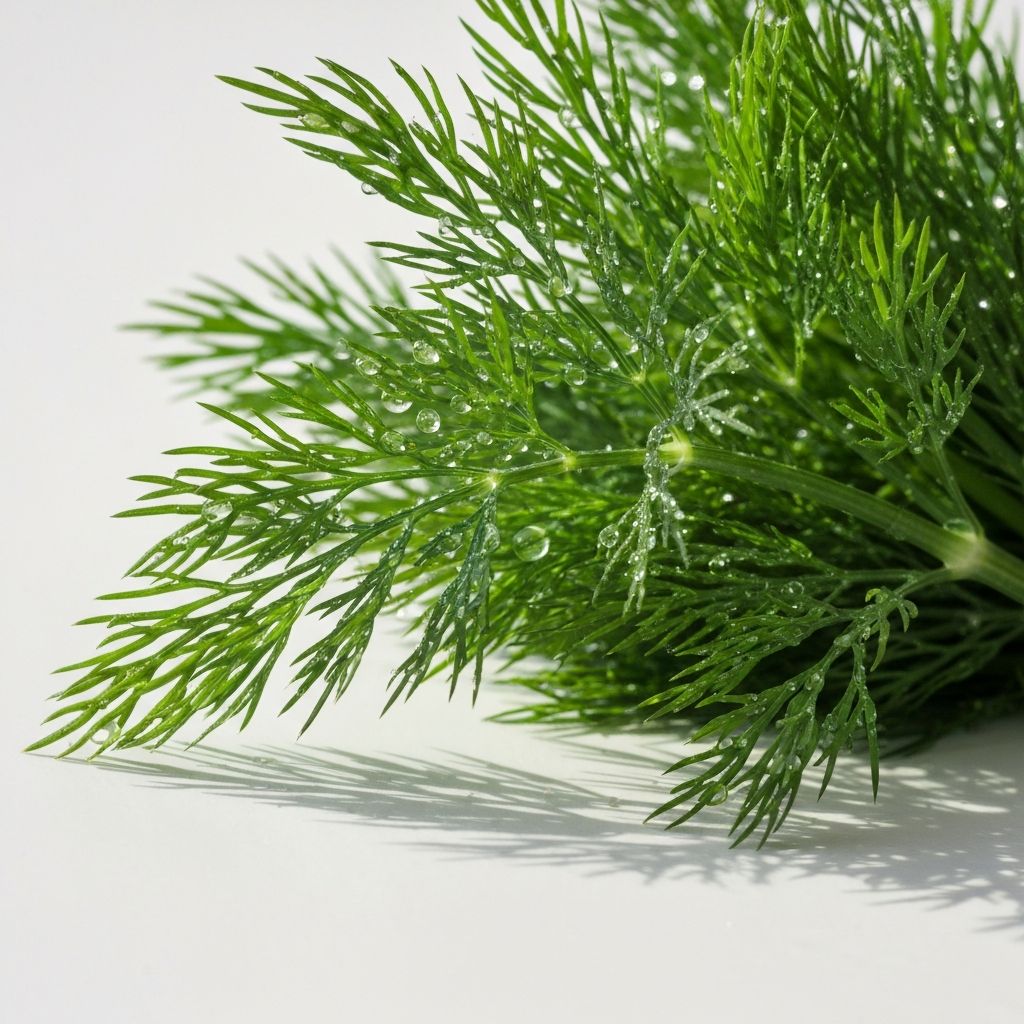
Dill
Dill contains flavor compounds including carvone and limonene. This herb features prominently in Northern and Eastern European cuisines, particularly in traditional preservation and cooking methods. The feathery leaves contain various phytochemicals from the Apiaceae family.
Composition: Essential oils, antioxidants, manganese, vitamin A.
Products – Wild and Forest Berries
Wild berries represent natural sources of polyphenols and other plant compounds from ecosystems across Northern Europe.
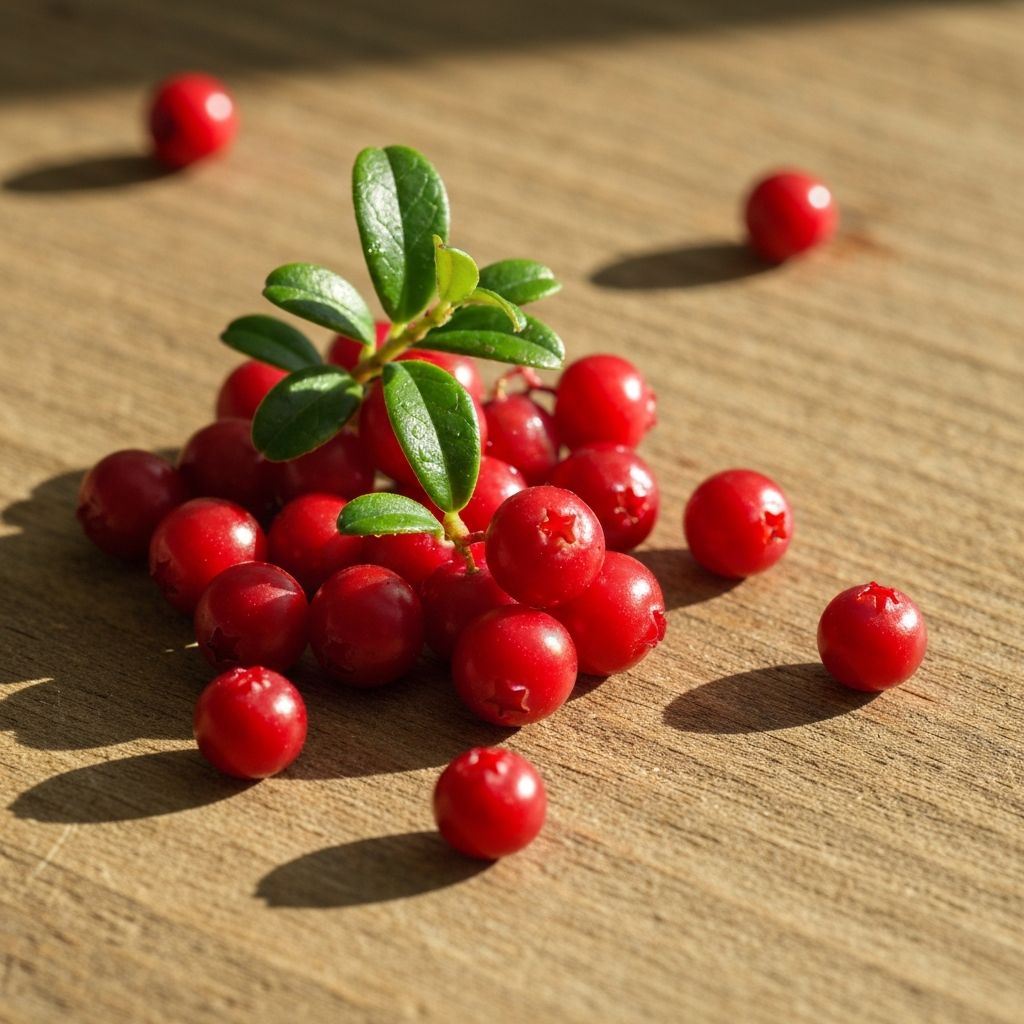
Lingonberries
Lingonberries grow naturally across Scandinavian forests and contain natural compounds including anthocyanins and proanthocyanidins. These berries have been part of traditional Nordic diets for centuries, both fresh and preserved in various forms.
Composition: Anthocyanins, vitamin C, manganese, fiber.
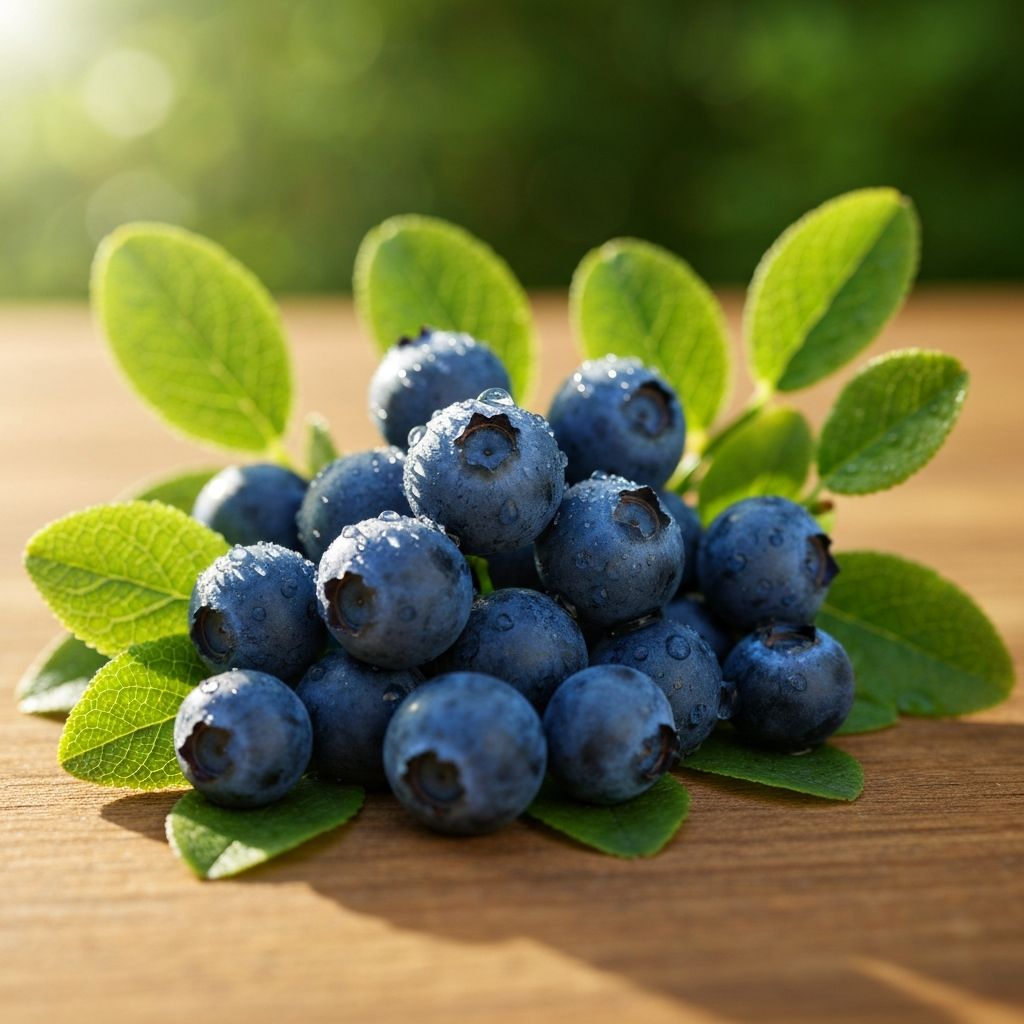
Bilberries
Bilberries, or European blueberries, contain high levels of polyphenols and anthocyanins. These forest berries grow wild across Central and Northern European woodlands and have been harvested and consumed for generations as seasonal food sources.
Composition: Anthocyanins, flavonoids, vitamin C, fiber.
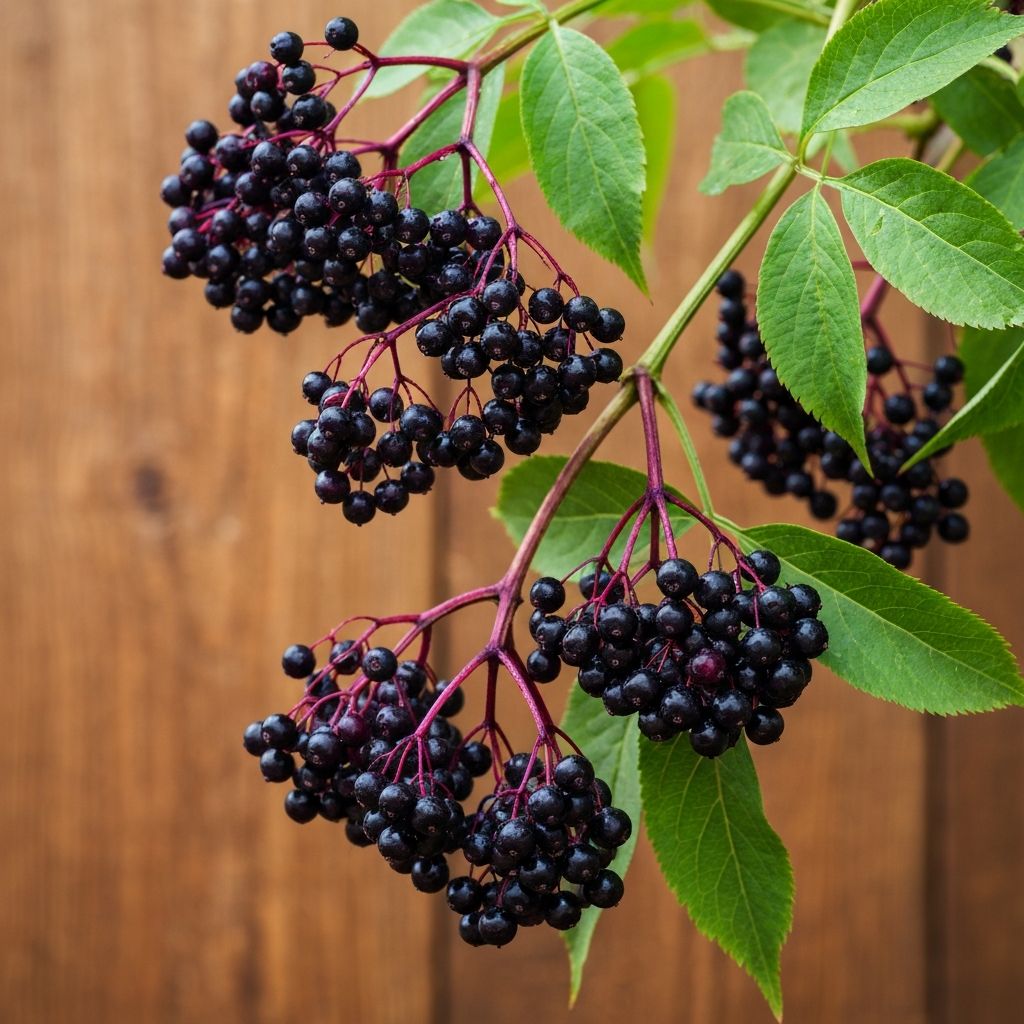
Elderberries
Elderberries contain various polyphenolic compounds and have been used in traditional European food preparations and beverages. The dark berries grow on elder trees found throughout temperate regions and represent another example of wild European produce.
Composition: Anthocyanins, vitamin C, antioxidants, fiber.
Nuts and Seeds in Natural Form
Tree nuts and seeds provide concentrated sources of healthy fats, proteins, and minerals in their natural, unprocessed state.
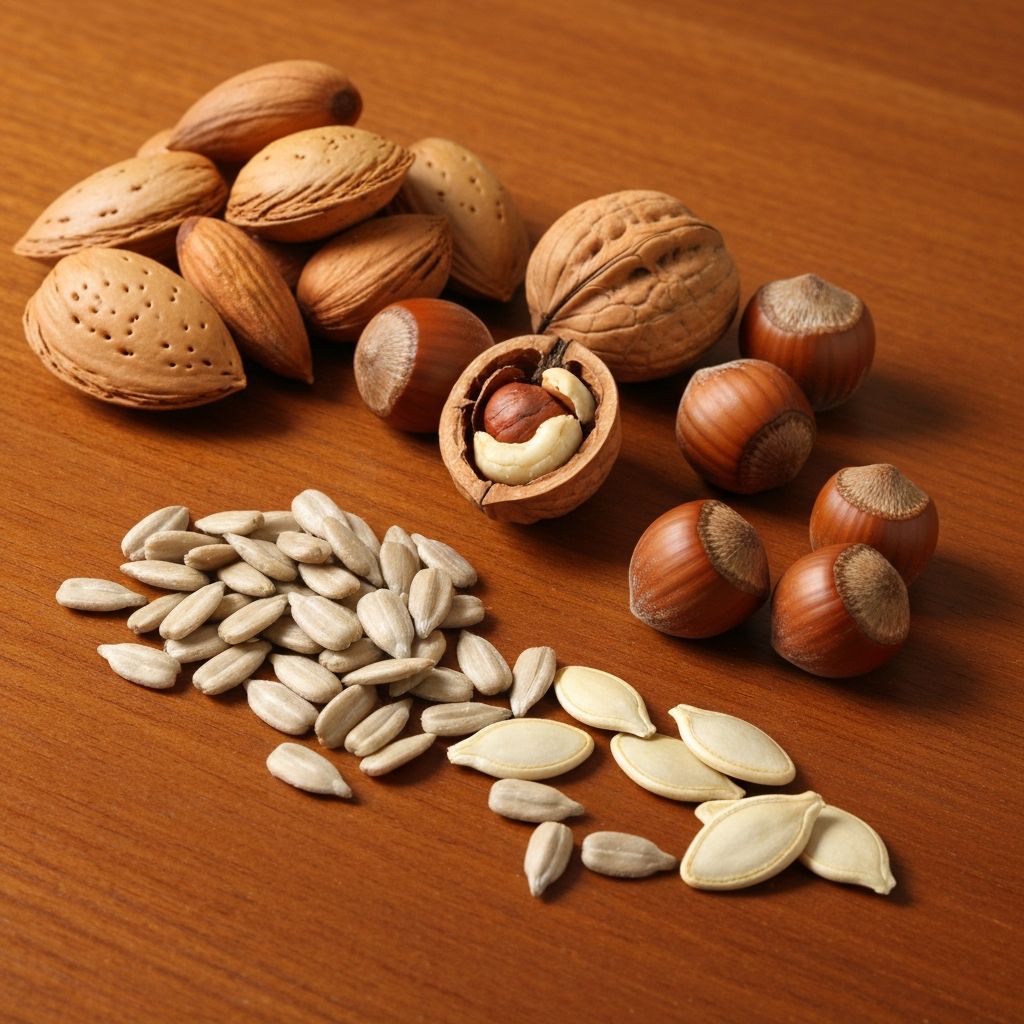
Natural Nut and Seed Composition
Nuts in their shells and natural seeds contain the complete nutritional package designed by nature for plant reproduction and growth. Almonds, walnuts, hazelnuts, sunflower seeds, and pumpkin seeds all provide different combinations of nutrients.
The fats in nuts are primarily unsaturated and include linoleic acid and alpha-linolenic acid. Research across many decades has documented the mineral content in nuts, including magnesium, copper, and manganese, that contribute to their nutritional profile.
Consuming nuts and seeds in their most natural form—whole or minimally processed—preserves their complete composition and nutritional integrity.
View natural detailsImportance of Whole Food Nutrients
Understanding why whole foods deserve emphasis in nutritional discussions.
Complete Nutritional Synergy
Whole foods provide nutrients not in isolation, but in natural combinations that have existed for millennia. The human body evolved consuming foods in this complete form, with all accompanying compounds present.
When we examine the scientific literature, we find that individual nutrients often function differently in their natural food matrix compared to isolated forms. Fiber, polyphenols, and minerals interact in ways that influence how the body processes them.
Bioavailability and Natural Balance
The bioavailability of nutrients—how effectively the body absorbs and utilizes them—depends partly on the food source and its complete composition. Whole foods contain natural compounds that either enhance or moderate absorption according to the body's needs.
Dietary diversity achieved through consuming various whole foods naturally ensures a broad spectrum of nutrients, cofactors, and other compounds. This approach represents the foundation of nutritional science.
Regional Natural Produce Overview
Different regions of Europe feature diverse natural produce reflecting local climate, soil, and agricultural traditions.
European Produce Diversity
Polish and Central European agriculture produces root vegetables like beets, potatoes, and parsnips rich in various compounds. Northern regions provide berries, mushrooms, and hardy greens. Mediterranean zones supply citrus, olives, and herbs adapted to warm climates.
This geographical diversity means different populations historically had access to different sets of whole foods. Yet across all regions, the principle remains the same: consuming the full spectrum of locally available whole foods provided complete nutrition.
Seasonal variations in produce availability also influenced traditional eating patterns, with populations consuming what grew locally during different times of year.
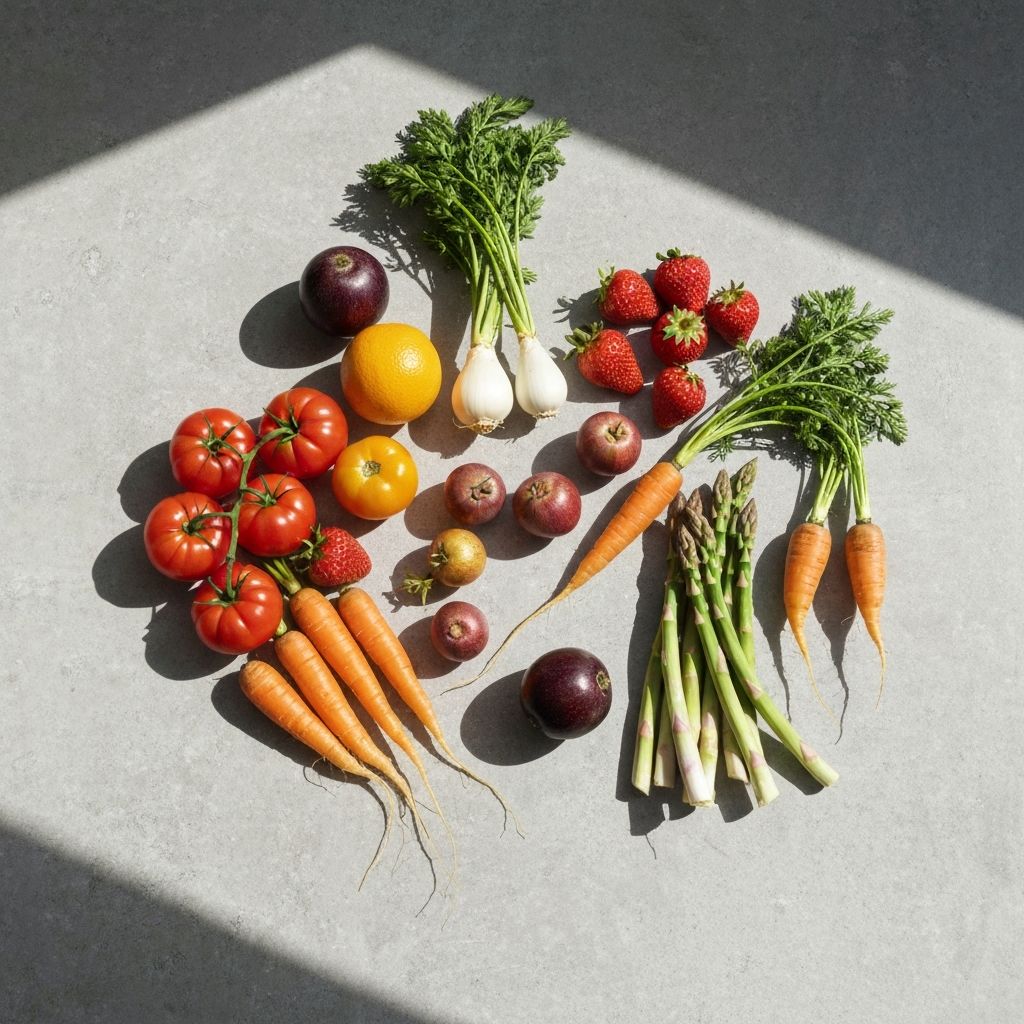
Minimal Processing and Nutrient Retention
The processing method significantly affects nutrient preservation in foods.
How Processing Affects Nutrients
Different processing methods impact nutrient content differently. Some minerals remain stable through most processes, while certain vitamins are sensitive to heat, light, and oxygen exposure.
Traditional preservation methods like fermentation, drying, and cool storage were developed to maintain nutritional value while extending food availability. Modern processing often prioritizes shelf stability and convenience over nutrient preservation.
Consuming foods close to their natural state—fresh vegetables, whole grains, nuts in shells, unprocessed fish—ensures retention of the complete nutritional package nature provides.
The Role of Culinary Preparation
How we prepare foods in the kitchen influences their final nutritional profile. Light cooking methods preserve more heat-sensitive vitamins than prolonged cooking. Raw preparations retain all nutrients but may affect bioavailability of some compounds.
Traditional cooking methods across cultures developed over centuries to balance nutrient retention, food safety, and palatability. These methods represent accumulated knowledge about how to prepare foods to maintain their nutritional value.
Natural Synergy of Food Components
The interaction between different compounds within foods creates nutritional effects greater than individual components alone.
How Compounds Work Together
Scientific research documents how different nutrients and plant compounds interact within foods. Vitamin C enhances iron absorption. Fats increase absorption of fat-soluble vitamins. Fiber influences how sugars are processed by the body.
These interactions occur naturally in whole foods because they evolved together. Foods developed their complete composition to serve the plant's survival and reproduction, creating combinations that happen to be beneficial when consumed by humans.
The Matrix Effect
The "food matrix" refers to the overall structure and composition of a food, not just its individual nutrient content. When this matrix remains intact, as in whole foods, these natural interactions are preserved. Processing often disrupts the matrix, potentially reducing the effectiveness of nutrients.
Understanding this natural synergy explains why nutritional research often shows whole foods produce different health outcomes than supplements containing isolated versions of the same nutrients.
Pure Ingredients in Traditional Diets
Traditional dietary patterns across cultures emphasize the importance of pure, whole food ingredients.
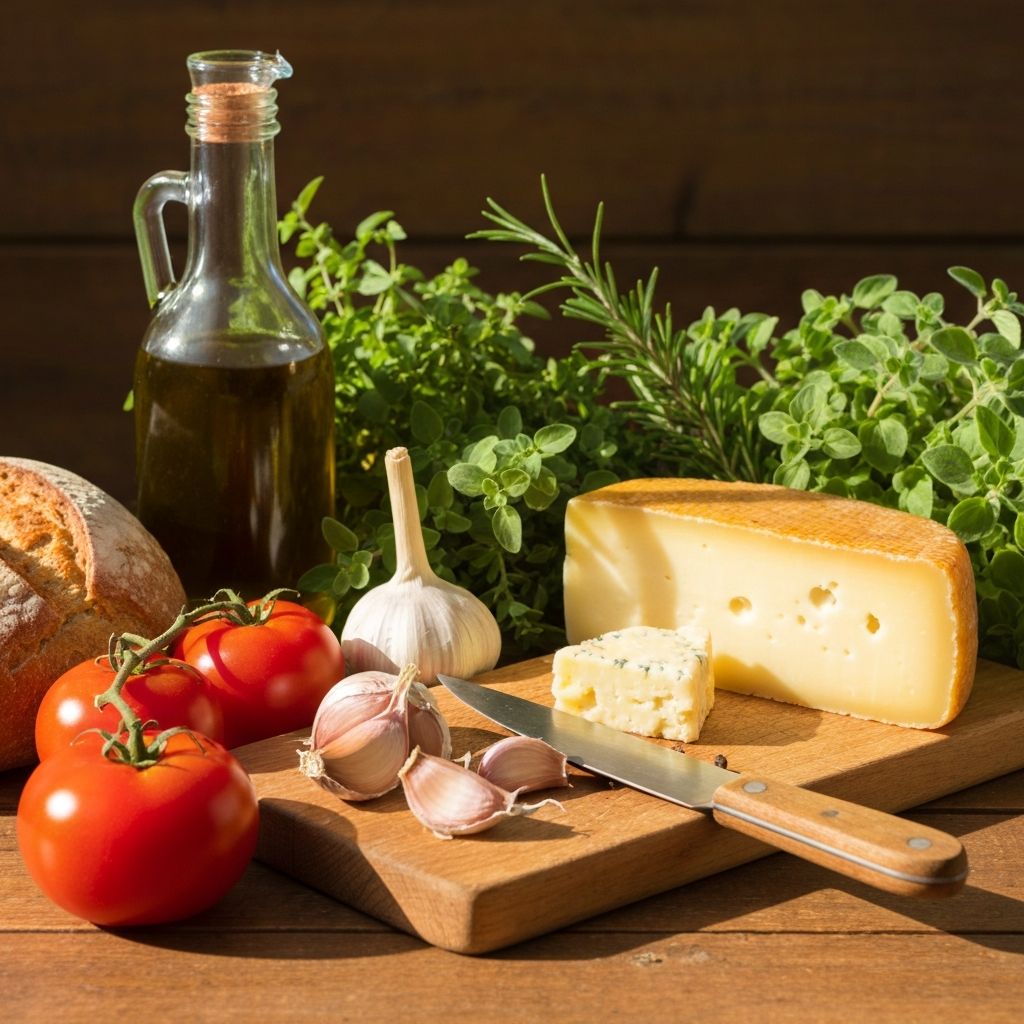
Time-Tested Food Combinations
Traditional diets evolved over centuries, with populations naturally discovering which food combinations sustained health and vitality. Mediterranean diets emphasize olive oil, fish, vegetables, and whole grains. Nordic traditions feature preserved fish, root vegetables, and berries.
These traditional patterns share a common principle: reliance on whole, recognizable food sources rather than processed products. The diets reflect local agriculture and available produce, adapted to regional conditions.
Cultural Knowledge and Nutrition
Food preparation techniques passed through generations often reflect implicit nutritional knowledge. Fermentation increases nutrient bioavailability. Combining certain foods enhances nutrient absorption. Seasonal eating patterns ensure nutritional variety.
Modern nutritional science increasingly validates these traditional practices, confirming that time-tested approaches often align with contemporary understanding of nutrition.
Continue exploringEducational Content Only
This resource provides information about natural nutrition and whole foods. It does not offer medical advice, treatment recommendations, or personal dietary guidance.
Understanding the Scope of This Resource
This website presents educational information about natural sources of vitamins and minerals in everyday foods. The content explains general nutritional concepts and food composition based on publicly available scientific research.
This resource does not substitute for professional medical advice, diagnosis, or treatment. Individuals should not rely on this information to make personal health decisions or to replace consultation with qualified healthcare professionals.
Different people have different nutritional needs based on age, health status, genetics, lifestyle, and many other factors. No single dietary approach applies universally to all individuals.
Interested readers are encouraged to consult with qualified healthcare professionals for personalized guidance regarding their individual nutritional needs and health status.
Educational content only. No promises of outcomes.